Anni Hofer

Senior Event Marketing Lead

"When Women's Sports Thrive, the World Wins": International Women’s Day 2026 with Doris Keller

Brands in Sport

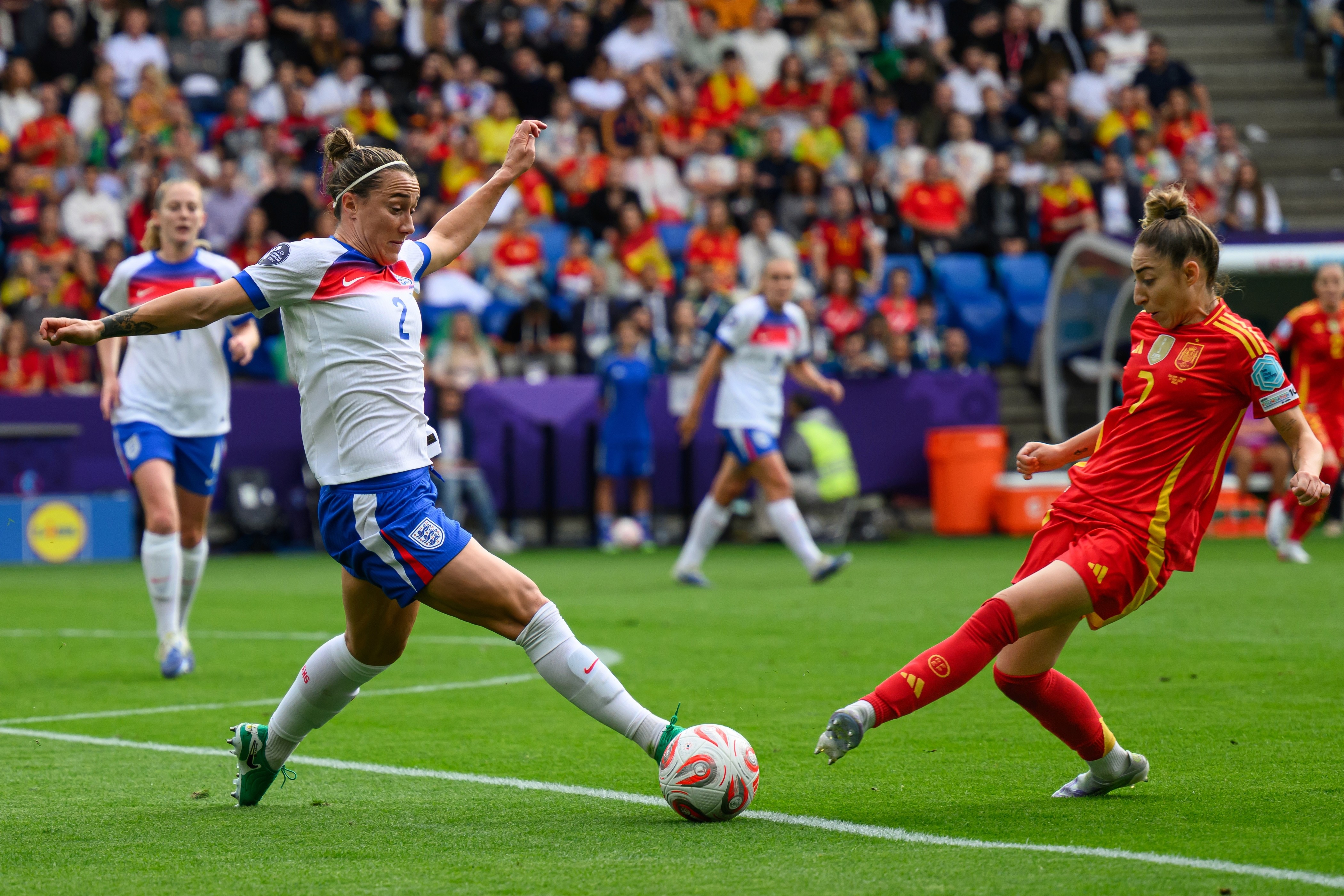
Dantey Buitureida / ShutterStock

Anni Hofer

Senior Event Marketing Lead

"When Women's Sports Thrive, the World Wins": International Women’s Day 2026 with Doris Keller

Brands in Sport

Dantey Buitureida / ShutterStock

Two years ago, they were borrowing chairs from a furniture shop in downtown Bern the night before their launch event. Last summer, they sold out stadiums across Switzerland. This is the story of what happened in between - and what it took to get there.

There's a moment UEFA Women’s Euro 2025™ Tournament Director Doris Keller keeps coming back to. Not the opening ceremony. Not the sold-out crowds or the headlines that followed. It's a quieter one - sitting in the tribune as the Swiss national anthem played at the opening match, watching something she'd spent years convincing people was possible become undeniably, visibly real.
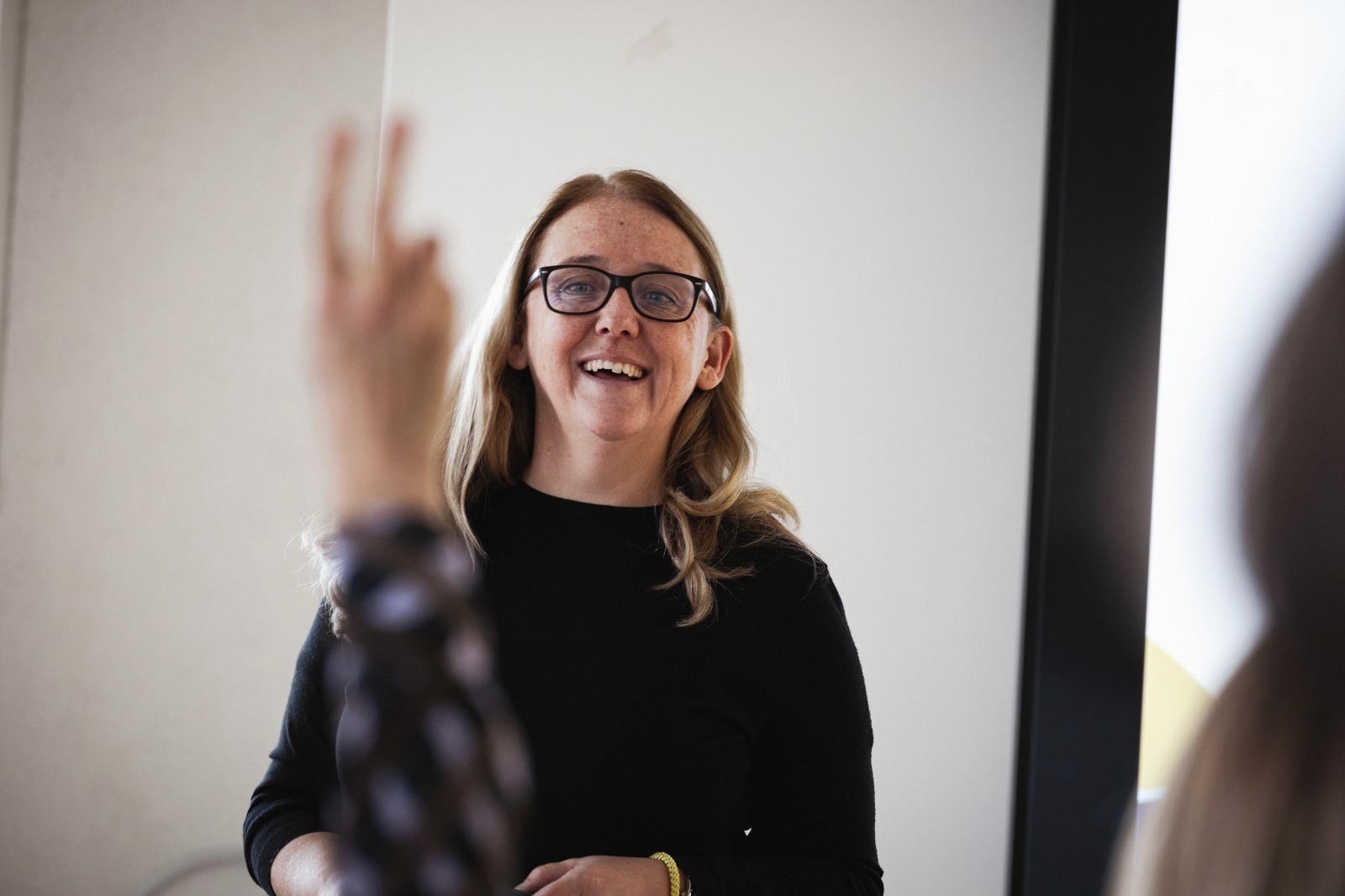
Doris Keller / UEFA

"Before it, I always had one goal - to deliver," she says. "I didn't really put too much time into what role I have. I just wanted to deliver the perfect tournament. But there, what we achieved - that moment sitting in that tribune - that was definitely special."

Doris Keller served as Tournament Director of UEFA Women's EURO 2025™, the Women’s Football tournament that sold out stadiums, converted sceptics, and left a mark on Swiss football that is still being felt. She sat down with Anni Hofer, Senior Event Marketing Lead at PACE - a partner on the tournament's promotion strategy from the earliest stages - for International Women's Day 2026. What followed was a conversation about leadership, legacy, and everything that happens in the space between hype and momentum.

It starts before anyone is watching

The official promotion campaign hadn't even launched when Doris began laying the groundwork. Travelling to events, educating journalists, building relationships with city communities - all before the tournament had any real public profile.

"I started this process quite early. I went to every event I could to educate people," she reflects. "For me, maybe the outcome at that early stage wasn't so frustrating, because I'd already been facing the same audience - not knowing, but still judging women's football and comparing it with men's. They hadn’t yet realised the opportunity. "

That education phase turned out to be the most important one. And the most underestimated.

PACE came into the picture through a tender process - early enough to help shape the narrative before it needed to land at scale. For Doris, that timing was everything.

"They had done their homework. They were very passionate about women's sports. They really believed they wanted to support us in the way we needed to get there. And they didn't want to copy-paste men's football into women's football."

That last point mattered more than it might sound. UEFA Women's EURO 2025™ wasn't a men's tournament with a different logo on it. It needed its own identity, its own promotional logic, its own community strategy. The brief wasn't just to sell tickets - it was to build belief.

The borrowed chairs moment

Cast your minds back. International Women's Day 2024 - the night before, to be precise. The tournament's launch event was being set up. Chairs had been borrowed from a furniture shop (The shop in question was a designer-esque shop - and felt sorry for us that they had never heard about the tournament - that’s why we got them free of charge!) because the ones available were not what we were looking for; there was a want for something modern and upbeat - in a nod to what we wanted the tournament likeness to be.

The media turnout the following morning was modest. Iconic figures like Nadine Kessler and Pia Sundhage were in the room, and some journalists still didn't know who they were talking to.

"That revealed to me the size of the education gap," Anni reflects. "We all thought - this is worse than we expected. We need to rethink where we put our energy."

For Doris, it wasn't entirely a surprise. She'd been working that ground for months. But it sharpened the focus: communication and PR alone wouldn't be enough. The promotion mix had to go deeper - into communities, local clubs, schools, city partners, ambassador networks. Every stakeholder who committed to being part of the tournament understood they weren't signing up to another men's event with a different badge.

"Everyone we asked to chip in was willing to help, to promote, to educate," Doris says. "Whether it was host cities making a huge effort to reach local communities, or our ambassadors, or sponsors - everybody knew that they had to do this extra mile. They knew what it meant."

There was also an unexpected catalyst. When the Federal Council initially declined the full public funding request, the resulting media coverage did something the tournament's own budget couldn't have bought - it made UEFA Women's EURO 2025™ in Switzerland a national conversation.

"We would not have had the money to do that within our budget," Doris notes, with characteristic directness. "But it was a society discussion. Which was never really our topic - we wanted to give a platform for women's sports. But we didn't really want to go into a political discussion about why women are treated differently. And then it happened anyway. And it helped."
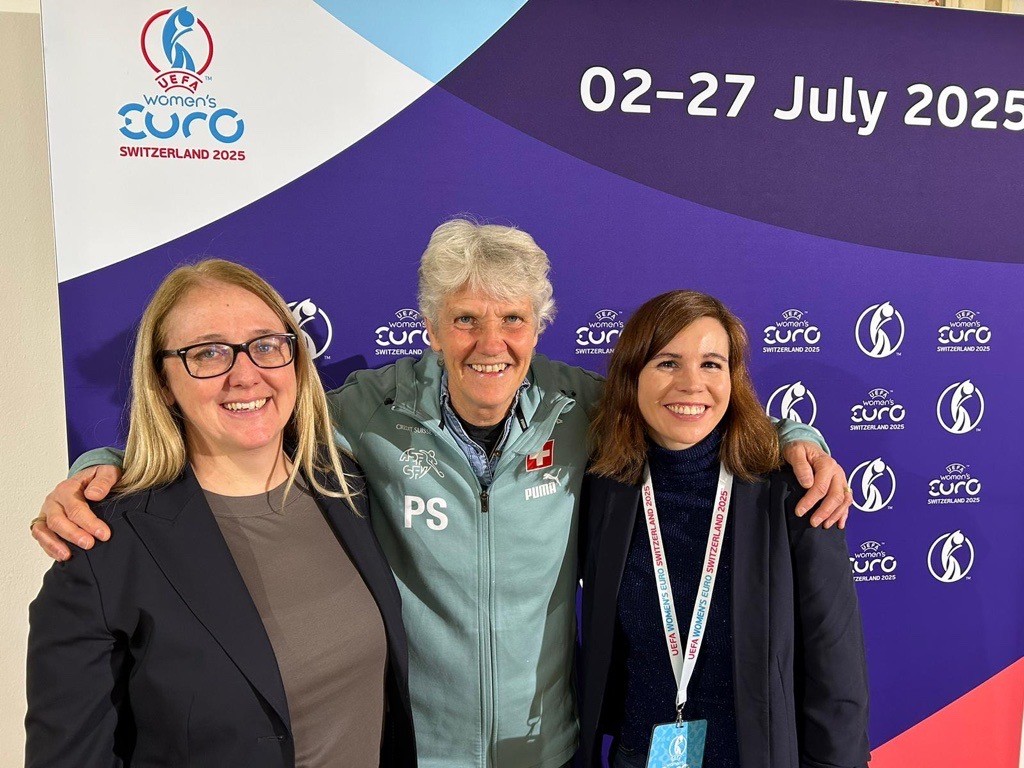
Anni Hofer / PACE

The golden thread: safety, ticketing, trust

Ask Doris what decision fans took for granted - the one that shaped the whole tournament experience without anyone noticing - and the answer isn't about entertainment or broadcast or sponsor activation. It's about safety.

"Fans in women's football are, I think, sometimes more important than in men's football - because in men's football, you know you're going to sell out. In women's football, you're not automatically there. You have to give them a safe space. That they're willing to come."

That meant treating the fan journey with more care than a typical major tournament would. From public transport routes to the in-stadium environment, the question was always: will someone feel safe enough to bring their family here? To bring their daughter? Their baby?

Ticketing was the other thread running through everything. Flexibility - selling tickets before the knockout bracket was confirmed, building a live exchange platform, adjusting promotional pushes based on which matches needed momentum - turned out to be one of the most powerful tools in the tournament's arsenal.

"It was important that we were more flexible on buying and exchanging tickets. And there was a lot of traffic on that exchange platform. I sometimes even put something up myself - and they went quickly."

Once people were in the stadium, the experience did the rest. No significant negative press. A safe, welcoming atmosphere from the very first match. And then the crowd energy started building - and so did the demand.

Hype is loud. Momentum is what you do with it.

The tournament delivered the hype. Sold-out stadiums. National headlines. Boys arguing with their parents over which women's player name they wanted on the back of a shirt.

"For a kid, it doesn't really matter if it's a boy or a girl," Doris says. "They're just big fans of players."

That image - an 8-year-old wanting Harder or Huth on their back - is, for both Doris and Anni, the distillation of what the tournament was really for. Not the KPIs. Not the commercial metrics. The moment where football stopped being gendered and just became football.

But hype, Doris is clear, is not the same as momentum. And Switzerland - like most markets that experience a sudden surge in women's sport - wasn't quite ready for the conversion.

"Hype is loud. And for me, it's what we had during the tournament. But it's very exhausting. Momentum is what you do out of that hype. And I'm not so sure we were really ready."

The structural changes - clubs opening girls' teams, federations shifting resources, brands committing to women's sport year-round rather than tournament by tournament - should have been in motion before the tournament peaked. In many cases, they came after. Reactive rather than proactive.

"A lot of clubs would say they had no requests for girls' teams. But you don't have more requests because you don't offer anything."

The same logic applies to sponsors. Partners who did excellent work during the tournament largely disappeared from women's sport afterwards - even those who had already committed to the next edition.

"They should not only promote the tournament," Doris argues. "They should do much more in between. If you're going to be at UEFA Women's EURO 2029™ in Germany, be present in women's football for the four years in between. It's a missed opportunity."
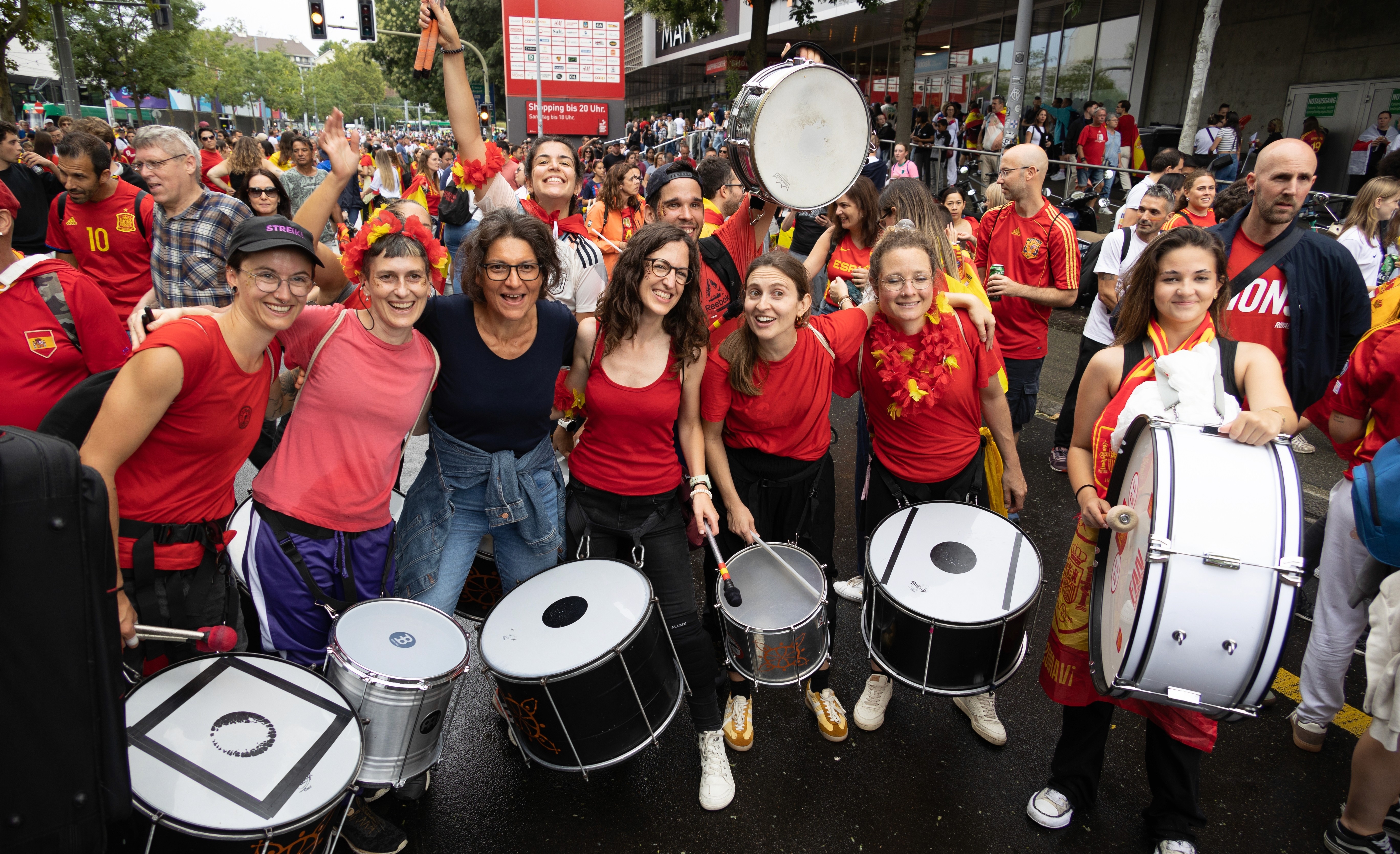
Jeewa A / ShutterStock

What sustainable leadership actually looks like

Doris co-led a large, complex, multinational team through one of the biggest women's sporting events in European history. She did it without burning people out. That, she'd argue, is as much a professional achievement as the sold-out stadiums.

Her approach is built on clarity, open communication - and a very Swiss sense of process.

"Everybody knew exactly what their job was. That's very important - to be efficient and to deal with pressure. And if things go wrong, it doesn't help if I put more pressure on. Because everybody already knows something went wrong. I'm there to support. That's my job."

Weekends were weekends. Not working sessions with a different label. Pre-tournament, nothing was so urgent it couldn't wait two days. During the tournament, it was different - but even then, the door was always open. Disagreement was not just tolerated but welcomed.

This is exactly how we worked with PACE; "I don't want an agency that always says yes. I want to discuss things. I don't always have to have the same opinion. But how we discuss has to be fair and well-respected."

It's a leadership philosophy shaped in part by personal experience. During the tournament build-up, Doris spent two weeks in hospital. It shifted something.

"I always try to protect my colleagues. But it doesn't mean I protect myself. And I sometimes forgot to look after myself. That changed during this time. I started asking myself - why do I have to do this today? I can also do it tomorrow."

The lesson: being a role model for sustainable leadership means living it, not just mandating it for others.

IWD2026: Give to gain

The conversation began under the framing of "give to gain" - a theme that felt fitting for International Women's Day 2026, and for a partnership that has navigated two and a half years of high stakes, difficult stakeholders, and shared conviction.

For Doris, the gift and the gain are ultimately the same thing. Visibility. Proof. The compounding of small wins into something undeniable.

"It's people who always spoke badly about women's football - calling for tickets during the tournament. That felt very nice. It wasn’t easy for them to call. And it was nice for us to see what women's football had become."

And what should every stakeholder give in 2026 to accelerate gender equality in sport?

"Equal opportunities. Which sounds very normal. But it's not the case yet."

She pauses.

"When women's sports thrive - the world wins."


Two years ago, they were borrowing chairs from a furniture shop in downtown Bern the night before their launch event. Last summer, they sold out stadiums across Switzerland. This is the story of what happened in between - and what it took to get there.

There's a moment UEFA Women’s Euro 2025™ Tournament Director Doris Keller keeps coming back to. Not the opening ceremony. Not the sold-out crowds or the headlines that followed. It's a quieter one - sitting in the tribune as the Swiss national anthem played at the opening match, watching something she'd spent years convincing people was possible become undeniably, visibly real.

Doris Keller / UEFA

"Before it, I always had one goal - to deliver," she says. "I didn't really put too much time into what role I have. I just wanted to deliver the perfect tournament. But there, what we achieved - that moment sitting in that tribune - that was definitely special."

Doris Keller served as Tournament Director of UEFA Women's EURO 2025™, the Women’s Football tournament that sold out stadiums, converted sceptics, and left a mark on Swiss football that is still being felt. She sat down with Anni Hofer, Senior Event Marketing Lead at PACE - a partner on the tournament's promotion strategy from the earliest stages - for International Women's Day 2026. What followed was a conversation about leadership, legacy, and everything that happens in the space between hype and momentum.

It starts before anyone is watching

The official promotion campaign hadn't even launched when Doris began laying the groundwork. Travelling to events, educating journalists, building relationships with city communities - all before the tournament had any real public profile.

"I started this process quite early. I went to every event I could to educate people," she reflects. "For me, maybe the outcome at that early stage wasn't so frustrating, because I'd already been facing the same audience - not knowing, but still judging women's football and comparing it with men's. They hadn’t yet realised the opportunity. "

That education phase turned out to be the most important one. And the most underestimated.

PACE came into the picture through a tender process - early enough to help shape the narrative before it needed to land at scale. For Doris, that timing was everything.

"They had done their homework. They were very passionate about women's sports. They really believed they wanted to support us in the way we needed to get there. And they didn't want to copy-paste men's football into women's football."

That last point mattered more than it might sound. UEFA Women's EURO 2025™ wasn't a men's tournament with a different logo on it. It needed its own identity, its own promotional logic, its own community strategy. The brief wasn't just to sell tickets - it was to build belief.

The borrowed chairs moment

Cast your minds back. International Women's Day 2024 - the night before, to be precise. The tournament's launch event was being set up. Chairs had been borrowed from a furniture shop (The shop in question was a designer-esque shop - and felt sorry for us that they had never heard about the tournament - that’s why we got them free of charge!) because the ones available were not what we were looking for; there was a want for something modern and upbeat - in a nod to what we wanted the tournament likeness to be.

The media turnout the following morning was modest. Iconic figures like Nadine Kessler and Pia Sundhage were in the room, and some journalists still didn't know who they were talking to.

"That revealed to me the size of the education gap," Anni reflects. "We all thought - this is worse than we expected. We need to rethink where we put our energy."

For Doris, it wasn't entirely a surprise. She'd been working that ground for months. But it sharpened the focus: communication and PR alone wouldn't be enough. The promotion mix had to go deeper - into communities, local clubs, schools, city partners, ambassador networks. Every stakeholder who committed to being part of the tournament understood they weren't signing up to another men's event with a different badge.

"Everyone we asked to chip in was willing to help, to promote, to educate," Doris says. "Whether it was host cities making a huge effort to reach local communities, or our ambassadors, or sponsors - everybody knew that they had to do this extra mile. They knew what it meant."

There was also an unexpected catalyst. When the Federal Council initially declined the full public funding request, the resulting media coverage did something the tournament's own budget couldn't have bought - it made UEFA Women's EURO 2025™ in Switzerland a national conversation.

"We would not have had the money to do that within our budget," Doris notes, with characteristic directness. "But it was a society discussion. Which was never really our topic - we wanted to give a platform for women's sports. But we didn't really want to go into a political discussion about why women are treated differently. And then it happened anyway. And it helped."

Anni Hofer / PACE

The golden thread: safety, ticketing, trust

Ask Doris what decision fans took for granted - the one that shaped the whole tournament experience without anyone noticing - and the answer isn't about entertainment or broadcast or sponsor activation. It's about safety.

"Fans in women's football are, I think, sometimes more important than in men's football - because in men's football, you know you're going to sell out. In women's football, you're not automatically there. You have to give them a safe space. That they're willing to come."

That meant treating the fan journey with more care than a typical major tournament would. From public transport routes to the in-stadium environment, the question was always: will someone feel safe enough to bring their family here? To bring their daughter? Their baby?

Ticketing was the other thread running through everything. Flexibility - selling tickets before the knockout bracket was confirmed, building a live exchange platform, adjusting promotional pushes based on which matches needed momentum - turned out to be one of the most powerful tools in the tournament's arsenal.

"It was important that we were more flexible on buying and exchanging tickets. And there was a lot of traffic on that exchange platform. I sometimes even put something up myself - and they went quickly."

Once people were in the stadium, the experience did the rest. No significant negative press. A safe, welcoming atmosphere from the very first match. And then the crowd energy started building - and so did the demand.

Hype is loud. Momentum is what you do with it.

The tournament delivered the hype. Sold-out stadiums. National headlines. Boys arguing with their parents over which women's player name they wanted on the back of a shirt.

"For a kid, it doesn't really matter if it's a boy or a girl," Doris says. "They're just big fans of players."

That image - an 8-year-old wanting Harder or Huth on their back - is, for both Doris and Anni, the distillation of what the tournament was really for. Not the KPIs. Not the commercial metrics. The moment where football stopped being gendered and just became football.

But hype, Doris is clear, is not the same as momentum. And Switzerland - like most markets that experience a sudden surge in women's sport - wasn't quite ready for the conversion.

"Hype is loud. And for me, it's what we had during the tournament. But it's very exhausting. Momentum is what you do out of that hype. And I'm not so sure we were really ready."

The structural changes - clubs opening girls' teams, federations shifting resources, brands committing to women's sport year-round rather than tournament by tournament - should have been in motion before the tournament peaked. In many cases, they came after. Reactive rather than proactive.

"A lot of clubs would say they had no requests for girls' teams. But you don't have more requests because you don't offer anything."

The same logic applies to sponsors. Partners who did excellent work during the tournament largely disappeared from women's sport afterwards - even those who had already committed to the next edition.

"They should not only promote the tournament," Doris argues. "They should do much more in between. If you're going to be at UEFA Women's EURO 2029™ in Germany, be present in women's football for the four years in between. It's a missed opportunity."

Jeewa A / ShutterStock

What sustainable leadership actually looks like

Doris co-led a large, complex, multinational team through one of the biggest women's sporting events in European history. She did it without burning people out. That, she'd argue, is as much a professional achievement as the sold-out stadiums.

Her approach is built on clarity, open communication - and a very Swiss sense of process.

"Everybody knew exactly what their job was. That's very important - to be efficient and to deal with pressure. And if things go wrong, it doesn't help if I put more pressure on. Because everybody already knows something went wrong. I'm there to support. That's my job."

Weekends were weekends. Not working sessions with a different label. Pre-tournament, nothing was so urgent it couldn't wait two days. During the tournament, it was different - but even then, the door was always open. Disagreement was not just tolerated but welcomed.

This is exactly how we worked with PACE; "I don't want an agency that always says yes. I want to discuss things. I don't always have to have the same opinion. But how we discuss has to be fair and well-respected."

It's a leadership philosophy shaped in part by personal experience. During the tournament build-up, Doris spent two weeks in hospital. It shifted something.

"I always try to protect my colleagues. But it doesn't mean I protect myself. And I sometimes forgot to look after myself. That changed during this time. I started asking myself - why do I have to do this today? I can also do it tomorrow."

The lesson: being a role model for sustainable leadership means living it, not just mandating it for others.

IWD2026: Give to gain

The conversation began under the framing of "give to gain" - a theme that felt fitting for International Women's Day 2026, and for a partnership that has navigated two and a half years of high stakes, difficult stakeholders, and shared conviction.

For Doris, the gift and the gain are ultimately the same thing. Visibility. Proof. The compounding of small wins into something undeniable.

"It's people who always spoke badly about women's football - calling for tickets during the tournament. That felt very nice. It wasn’t easy for them to call. And it was nice for us to see what women's football had become."

And what should every stakeholder give in 2026 to accelerate gender equality in sport?

"Equal opportunities. Which sounds very normal. But it's not the case yet."

She pauses.

"When women's sports thrive - the world wins."