
Joey Poole

Media & Content Specialist

A Tournament Marketing Manager’s Day at the FIFA Futsal Women's World Cup

Dec 16, 2025

News

Janews / Shutterstock

Joey Poole

Media & Content Specialist

A Tournament Marketing Manager’s Day at the FIFA Futsal Women's World Cup

Dec 16, 2025

News

Janews / Shutterstock

From Influencers to Opera Singers across seven time zones: A Tournament Marketing Manager’s Day at the FIFA Futsal Women's World Cup

Whilst we enjoy a second coffee at 9:00am in Europe, our FIFA Tournament Marketing Manager Kelly Silson is already halfway through her day in the Philippines - keeping a dozen balls in the air.
PACE

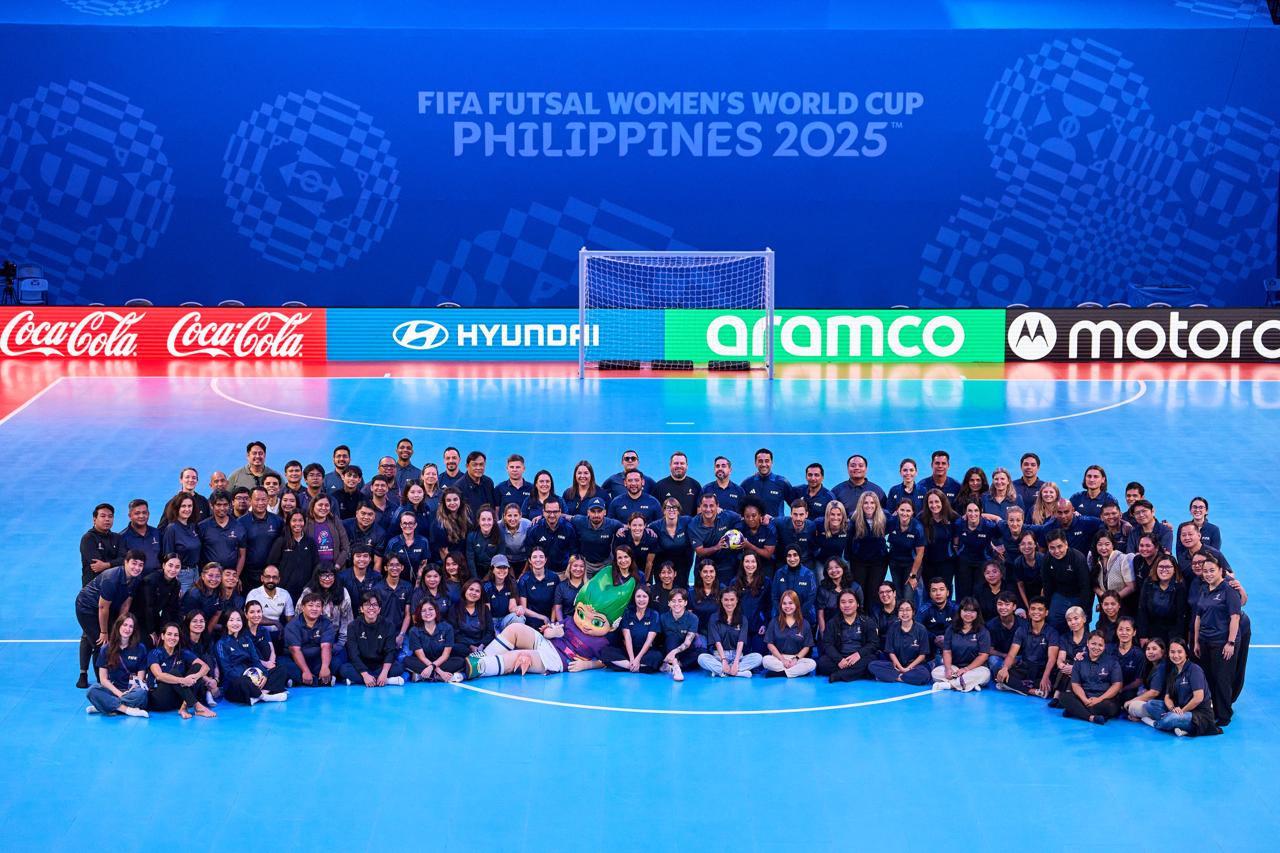
Seven time zones ahead, in a buzzing arena in Pasig City, Manila - Kelly is deep into another matchday at the first-ever FIFA Futsal Women’s World Cup™ - juggling ticketing dashboards, event promotion, influencer content, fan experience and half-time entertainment with the calm of someone who’s done this a few times… and the energy of someone who still genuinely loves it.

Welcome to the day-in-the-life of a Tournament Marketing Manager at an international FIFA tournament. For Kelly, the story starts long before the first whistle.

“There’s obviously a lot of build up towards it. You work with the team ahead of time on milestones - ticketing, brand launch, draw, host city announcement, trophy launch, official song, official slogan, promotional launch, mascot. The Local Organising Committee (LOC) are your eyes and ears on the ground, and you help guide them with the principles.”

In practical terms, that means weekly calls with the LOC, aligning on everything from campaign messages for OOH, DOOH advertising and paid media to where mascot and trophy appear on a match poster. By the time she lands on site, Kelly has already spent months building trust with the people she’ll be shoulder-to-shoulder with for the tournament.

“This tournament specifically is at one venue, so it’s a lot easier that you can just go from the hotel to the arena and attend all matches.”

An organized routine in the midst of a tournament’s chaos is key to a FIFA event manager’s success. Therefore, Kelly’s morning actually starts in her inbox.

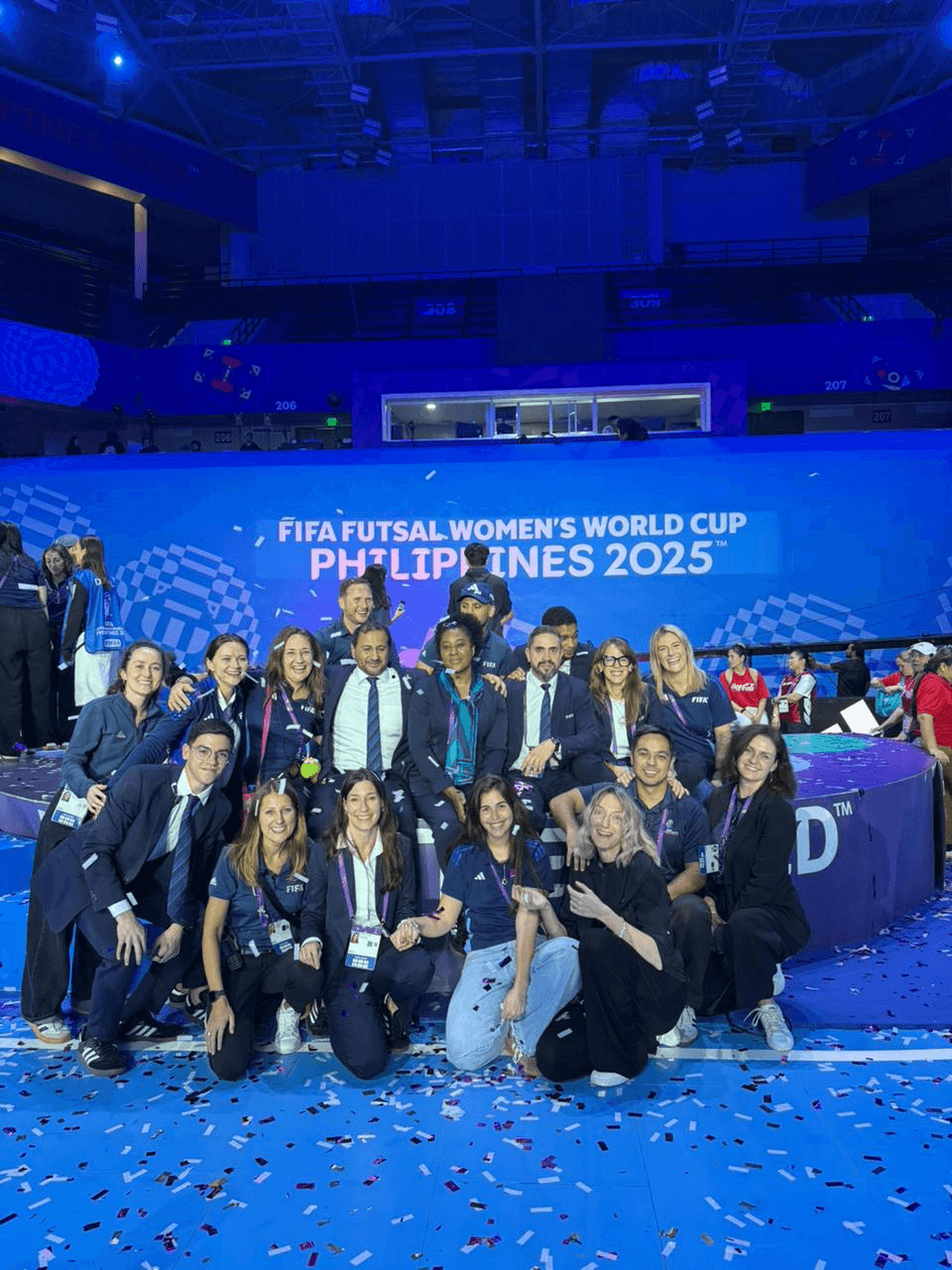
“My day mostly starts off with getting a whole bunch of content from influencers from the night before… everything they captured and put together, and then checking and getting it approved with all the different departments before it can be ready to post.”
PACE

That means playing traffic controller between creators, internal approvers, and the LOC:

  • Reviewing clips and stories from the previous night

  • Tweaking captions and messaging

  • Running content past the right departments

  • Feeding the approved assets into the daily plan

All while working with a remote team that’s still asleep.

“We are seven hours ahead. So it’s coordinating being on site whilst working with a team that’s seven or eight hours behind - and a Brazilian influencer whose manager is also 12 hours behind.”

After handling teams and creators over time zones, the working day continues with a daily FIFA / LOC tournament meeting with all FA’s - everyone in the same room to align on what’s coming. Straight after, it’s ticketing time.

“We do a ticketing meeting and look at ticketing numbers from previous matches, expected numbers going forward, and any promotions we’re going to do. Then everyone pretty much heads off to the venue… and then it’s just all systems go.”

For Kelly, ticketing is the golden thread that runs through everything else. Entertainment plans, posters around town, influencer content, broadcaster interviews - they’re all ultimately judged by one simple question: Did more people come to the arena?

Welcome to global football in 2025. Though a futsal tournament feels different - on and off the pitch.

“A lot of people aren’t as familiar with futsal versus football. Some interesting ones are the player numbers, pitch size, ball characteristics, match duration, substitutions [they’re rolling in futsal], and other rules like the lack of offside in futsal… and obviously indoor arena vs outdoor pitch.”

For a Tournament Marketing manager, that changes everything. In a stadium, moving from one end to the other can be a 15-minute walk, a radio check, and three security points. In an arena?

“There’s actually a lot more you can do because you can get around it a lot quicker. If you see a local celeb or influencer in the stands, you can quickly go and capture something. Fan gathering around merchandise store or fan experience area - call on mascot to come join for some photo ops”

The arena setting also supercharges the show element:

  • Lighting you can control

  • Music that fills the entire space

  • Halftime and pre-match entertainment that feels close and immersive

“You’ve got a lot more fun with entertainment, lighting, music. You can create a show, basically. With football, everything’s on the field.”

For the Philippines, that show has already delivered some unforgettable moments - Even after the home team's elimination, the crowd energy hasn’t dipped. That’s the power of a well-built matchday and fan experience: people don’t just come for the result.

Once the morning meetings wrap, Kelly spends most of the day with the LOC team.

“I’m spending most of the day with LOC working on all the ticketing assets and their promotional plans and ensuring that everyone knows about the tournament.”

That can look like:

  • Adjusting ticket offers based on which matches need a push

  • Aligning on creative assets - posters, social tiles, in-arena screens

  • Coordinating local campaigns - from school groups to community outreach

  • Planning broadcast mentions that drive ticket sales

  • Communicating the legacy left behind by the tournament in the area

“We’ve got an interview later on in one of the local broadcaster shows where we’re trying to use that to then invite more people to experience the tournament live.”

Every channel is an opportunity to nudge someone from “I’ve heard about it” to “let’s go tonight.”
A.RICARDO / Shutterstock

As the arena fills, Kelly switches into matchday mode.

“From my side, there’s lots of things on the day - making sure all the right content is taken. I’ve got influencers with me who are briefed for the day. They know what’s happening where and what to look out for when.”

Her checklist looks something like:

  • Influencers at the right spots, at the right times

  • Mascot in position and part of the story

  • Fan zone buzzing pre-match

  • Halftime entertainment hitting the right notes

  • On-the-fly content ideas when something special happens in the stands

Meanwhile, content teams are filming throughout, and the day is already feeding into tomorrow.

“Depending on the results of what’s happening, they’re constantly capturing content during the match and then we’re piecing it together. We have a meeting in the morning, meeting in the evening, and then we can figure out our plans from there for the next day.”

That rhythm - capture, approve, publish, learn - runs on repeat for the whole tournament. But behind the dashboards, there’s a very human layer to this tournament.

“I had a really cool interaction today with one of our volunteers who also happens to be an opera singer. He came and asked us if he could be part of the entertainment. So I’m trying to organise that he can get involved somehow.”

For all the talk of strategy and structure, it’s often these small, unexpected moments that make a tournament feel alive - and give Kelly and the team the raw material for the most powerful content.

On paper, there are rest days. In reality, they’re just… different types of busy.

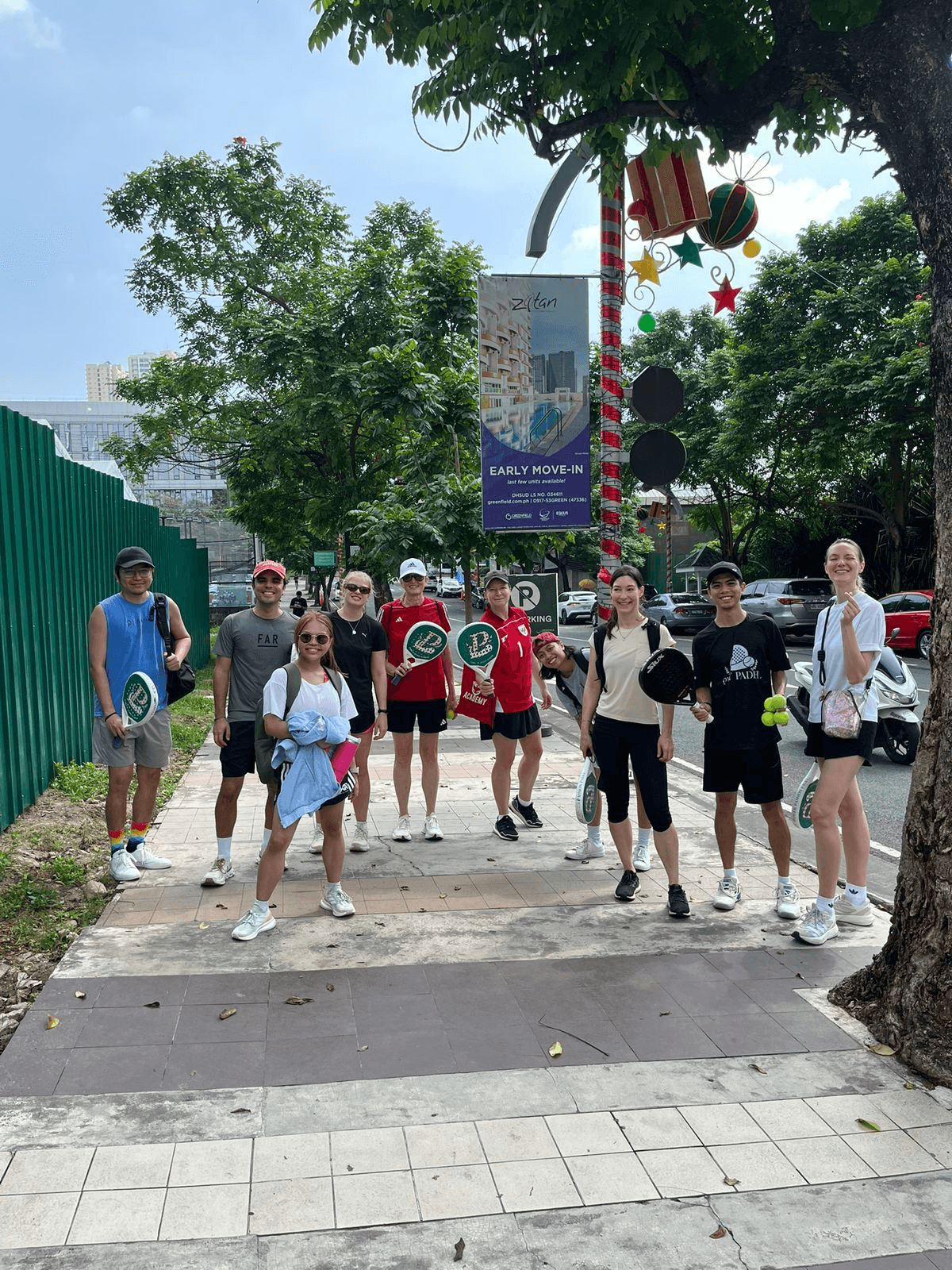
“There’s a padel tournament between us and the LOC. There’s a team social pool party. There’s a futsal LOC vs FIFA tournament and a team cultural day.”

And then there’s a day out with influencers and the Department of Tourism to showcase the host city alongside planning for the closing awards ceremony.

“I’m taking my influencers with the Department of Tourism on a little day out so they can showcase the host city. That’s all coming up. Those are my rest days.”

It’s still work - but it’s the kind that deepens the relationship between tournament, city, and fans. And that’s priceless when you want people to remember more than just the final score.

Ask Kelly what she’ll take away from this tournament and you get two clear themes. First, time:

“From a business side, I’d say it’s important to build relationships with your LOC and understand the local things that are happening and the culture in order to be able to work together as a team to pull off the event.”

The planning windows mean more nuanced campaigns, deeper local integration, and more time to test what actually drives people into the arena, and once the tournament is over, everyone always wants to do it all over again with all of the learnings. 

Second, the golden thread: Ticketing isn’t just a line on a report. It’s the through-line that connects everything - the opera singer, the influencer clips, the fan zone, the karaoke volunteers, the Department of Tourism activations, closing performance - and you can’t forget the lasting legacy that it leaves behind after the tournament finishes!

“If it helps people discover the tournament, feel something in the arena, and want to come back again, it matters.”

For now, Kelly’s world is defined by early meetings, late messages from other timezones, and the echo of futsal shoe squeaks and balls hitting off arena boards. When the tournament ends on 7 December, she’ll pack up, fly home, and eventually move on to the next event.

But the blueprint from the Philippines - a special venue in an arena setting, a lot of preparation and a big heart - is something that Kelly says will travel with her forever.

From Influencers to Opera Singers across seven time zones: A Tournament Marketing Manager’s Day at the FIFA Futsal Women's World Cup

Whilst we enjoy a second coffee at 9:00am in Europe, our FIFA Tournament Marketing Manager Kelly Silson is already halfway through her day in the Philippines - keeping a dozen balls in the air.

PACE

Seven time zones ahead, in a buzzing arena in Pasig City, Manila - Kelly is deep into another matchday at the first-ever FIFA Futsal Women’s World Cup™ - juggling ticketing dashboards, event promotion, influencer content, fan experience and half-time entertainment with the calm of someone who’s done this a few times… and the energy of someone who still genuinely loves it.

Welcome to the day-in-the-life of a Tournament Marketing Manager at an international FIFA tournament. For Kelly, the story starts long before the first whistle.

“There’s obviously a lot of build up towards it. You work with the team ahead of time on milestones - ticketing, brand launch, draw, host city announcement, trophy launch, official song, official slogan, promotional launch, mascot. The Local Organising Committee (LOC) are your eyes and ears on the ground, and you help guide them with the principles.”

In practical terms, that means weekly calls with the LOC, aligning on everything from campaign messages for OOH, DOOH advertising and paid media to where mascot and trophy appear on a match poster. By the time she lands on site, Kelly has already spent months building trust with the people she’ll be shoulder-to-shoulder with for the tournament.

“This tournament specifically is at one venue, so it’s a lot easier that you can just go from the hotel to the arena and attend all matches.”

An organized routine in the midst of a tournament’s chaos is key to a FIFA event manager’s success. Therefore, Kelly’s morning actually starts in her inbox.

“My day mostly starts off with getting a whole bunch of content from influencers from the night before… everything they captured and put together, and then checking and getting it approved with all the different departments before it can be ready to post.”

PACE

That means playing traffic controller between creators, internal approvers, and the LOC:

  • Reviewing clips and stories from the previous night

  • Tweaking captions and messaging

  • Running content past the right departments

  • Feeding the approved assets into the daily plan

All while working with a remote team that’s still asleep.

“We are seven hours ahead. So it’s coordinating being on site whilst working with a team that’s seven or eight hours behind - and a Brazilian influencer whose manager is also 12 hours behind.”

After handling teams and creators over time zones, the working day continues with a daily FIFA / LOC tournament meeting with all FA’s - everyone in the same room to align on what’s coming. Straight after, it’s ticketing time.

“We do a ticketing meeting and look at ticketing numbers from previous matches, expected numbers going forward, and any promotions we’re going to do. Then everyone pretty much heads off to the venue… and then it’s just all systems go.”

For Kelly, ticketing is the golden thread that runs through everything else. Entertainment plans, posters around town, influencer content, broadcaster interviews - they’re all ultimately judged by one simple question: Did more people come to the arena?

Welcome to global football in 2025. Though a futsal tournament feels different - on and off the pitch.

“A lot of people aren’t as familiar with futsal versus football. Some interesting ones are the player numbers, pitch size, ball characteristics, match duration, substitutions [they’re rolling in futsal], and other rules like the lack of offside in futsal… and obviously indoor arena vs outdoor pitch.”

For a Tournament Marketing manager, that changes everything. In a stadium, moving from one end to the other can be a 15-minute walk, a radio check, and three security points. In an arena?

“There’s actually a lot more you can do because you can get around it a lot quicker. If you see a local celeb or influencer in the stands, you can quickly go and capture something. Fan gathering around merchandise store or fan experience area - call on mascot to come join for some photo ops”

The arena setting also supercharges the show element:

  • Lighting you can control

  • Music that fills the entire space

  • Halftime and pre-match entertainment that feels close and immersive

“You’ve got a lot more fun with entertainment, lighting, music. You can create a show, basically. With football, everything’s on the field.”

For the Philippines, that show has already delivered some unforgettable moments - Even after the home team's elimination, the crowd energy hasn’t dipped. That’s the power of a well-built matchday and fan experience: people don’t just come for the result.

Once the morning meetings wrap, Kelly spends most of the day with the LOC team.

“I’m spending most of the day with LOC working on all the ticketing assets and their promotional plans and ensuring that everyone knows about the tournament.”

That can look like:

  • Adjusting ticket offers based on which matches need a push

  • Aligning on creative assets - posters, social tiles, in-arena screens

  • Coordinating local campaigns - from school groups to community outreach

  • Planning broadcast mentions that drive ticket sales

  • Communicating the legacy left behind by the tournament in the area

“We’ve got an interview later on in one of the local broadcaster shows where we’re trying to use that to then invite more people to experience the tournament live.”

Every channel is an opportunity to nudge someone from “I’ve heard about it” to “let’s go tonight.”

A.RICARDO / Shutterstock

As the arena fills, Kelly switches into matchday mode.

“From my side, there’s lots of things on the day - making sure all the right content is taken. I’ve got influencers with me who are briefed for the day. They know what’s happening where and what to look out for when.”

Her checklist looks something like:

  • Influencers at the right spots, at the right times

  • Mascot in position and part of the story

  • Fan zone buzzing pre-match

  • Halftime entertainment hitting the right notes

  • On-the-fly content ideas when something special happens in the stands

Meanwhile, content teams are filming throughout, and the day is already feeding into tomorrow.

“Depending on the results of what’s happening, they’re constantly capturing content during the match and then we’re piecing it together. We have a meeting in the morning, meeting in the evening, and then we can figure out our plans from there for the next day.”

That rhythm - capture, approve, publish, learn - runs on repeat for the whole tournament. But behind the dashboards, there’s a very human layer to this tournament.

“I had a really cool interaction today with one of our volunteers who also happens to be an opera singer. He came and asked us if he could be part of the entertainment. So I’m trying to organise that he can get involved somehow.”

For all the talk of strategy and structure, it’s often these small, unexpected moments that make a tournament feel alive - and give Kelly and the team the raw material for the most powerful content.

On paper, there are rest days. In reality, they’re just… different types of busy.

“There’s a padel tournament between us and the LOC. There’s a team social pool party. There’s a futsal LOC vs FIFA tournament and a team cultural day.”

And then there’s a day out with influencers and the Department of Tourism to showcase the host city alongside planning for the closing awards ceremony.

“I’m taking my influencers with the Department of Tourism on a little day out so they can showcase the host city. That’s all coming up. Those are my rest days.”

It’s still work - but it’s the kind that deepens the relationship between tournament, city, and fans. And that’s priceless when you want people to remember more than just the final score.

Ask Kelly what she’ll take away from this tournament and you get two clear themes. First, time:

“From a business side, I’d say it’s important to build relationships with your LOC and understand the local things that are happening and the culture in order to be able to work together as a team to pull off the event.”

The planning windows mean more nuanced campaigns, deeper local integration, and more time to test what actually drives people into the arena, and once the tournament is over, everyone always wants to do it all over again with all of the learnings. 

Second, the golden thread: Ticketing isn’t just a line on a report. It’s the through-line that connects everything - the opera singer, the influencer clips, the fan zone, the karaoke volunteers, the Department of Tourism activations, closing performance - and you can’t forget the lasting legacy that it leaves behind after the tournament finishes!

“If it helps people discover the tournament, feel something in the arena, and want to come back again, it matters.”

For now, Kelly’s world is defined by early meetings, late messages from other timezones, and the echo of futsal shoe squeaks and balls hitting off arena boards. When the tournament ends on 7 December, she’ll pack up, fly home, and eventually move on to the next event.

But the blueprint from the Philippines - a special venue in an arena setting, a lot of preparation and a big heart - is something that Kelly says will travel with her forever.