

Karim Teufel

Head of Strategy

Brazilian football is in a decade-defining transition right now. Here’s what you need to know.

News

A. Ricardo / Shutterstock

Karim Teufel

Head of Strategy

Brazilian football is in a decade-defining transition right now. Here’s what you need to know.

News

A. Ricardo / Shutterstock

Most people outside South America haven’t really noticed yet, but there’s a giant on the rise again. Two shifts are happening at the same time in Brazil, and together they could reshape the football landscape in the Americas with massive impact on the European market as well.

One shift is economic. The other is structural.
A. Ricardo / Shutterstock

The Brasileirão has (not so) quietly become investable

For decades, Brazilian football operated under a structural constraint.

Most clubs were member-run associations with limited access to capital. Debt levels were high. Governance structures were complicated. 

In 2021, Brazil introduced the SAF model (Sociedade Anônima do Futebol) - allowing clubs to transform into corporate entities and open themselves to investors.

Since then, things have started to move. A number of clubs have welcomed major domestic & international investors (among others, the City Football Group, Red Bull & Eagle Football Holding), and sponsors are increasing their bids as well. 

The main result: An influx of new capital and increasingly ambitious squad building.

Brazil used to export talent at record levels.
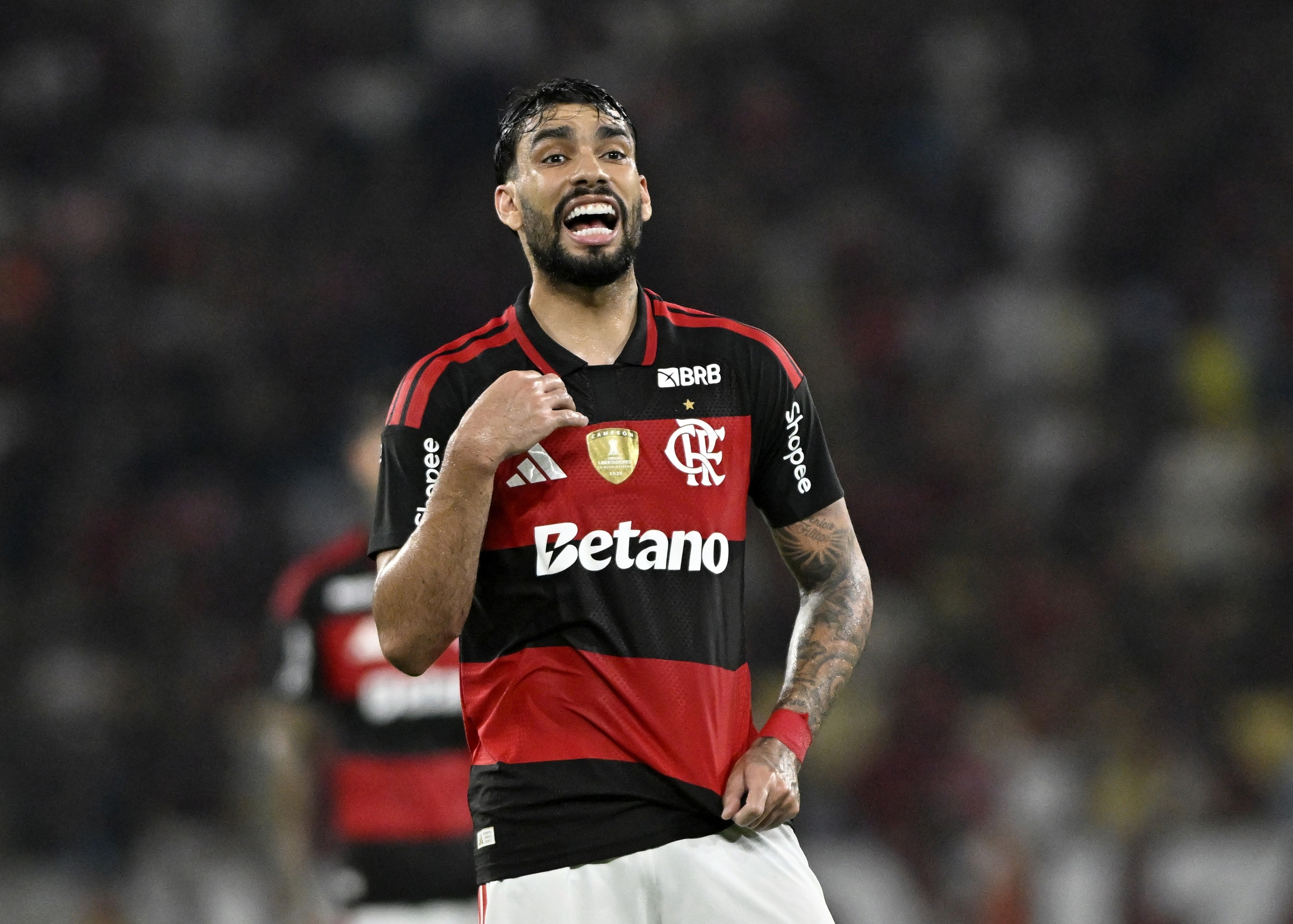
Now we’re seeing prime-age players returning, like Lucas Paquetá moving back to Flamengo (for $51.4m).

But because Brazilian clubs suddenly have financial firepower, talent might not just reconsider leaving but players all over the Americas might actually see the Brasileirão as their number one career destination.
A. Ricardo / Shutterstock

There’s also a strategic advantage Brazil might hold.

Time zones.

Brazil sits in a broadcast window that bridges Europe and the Americas.
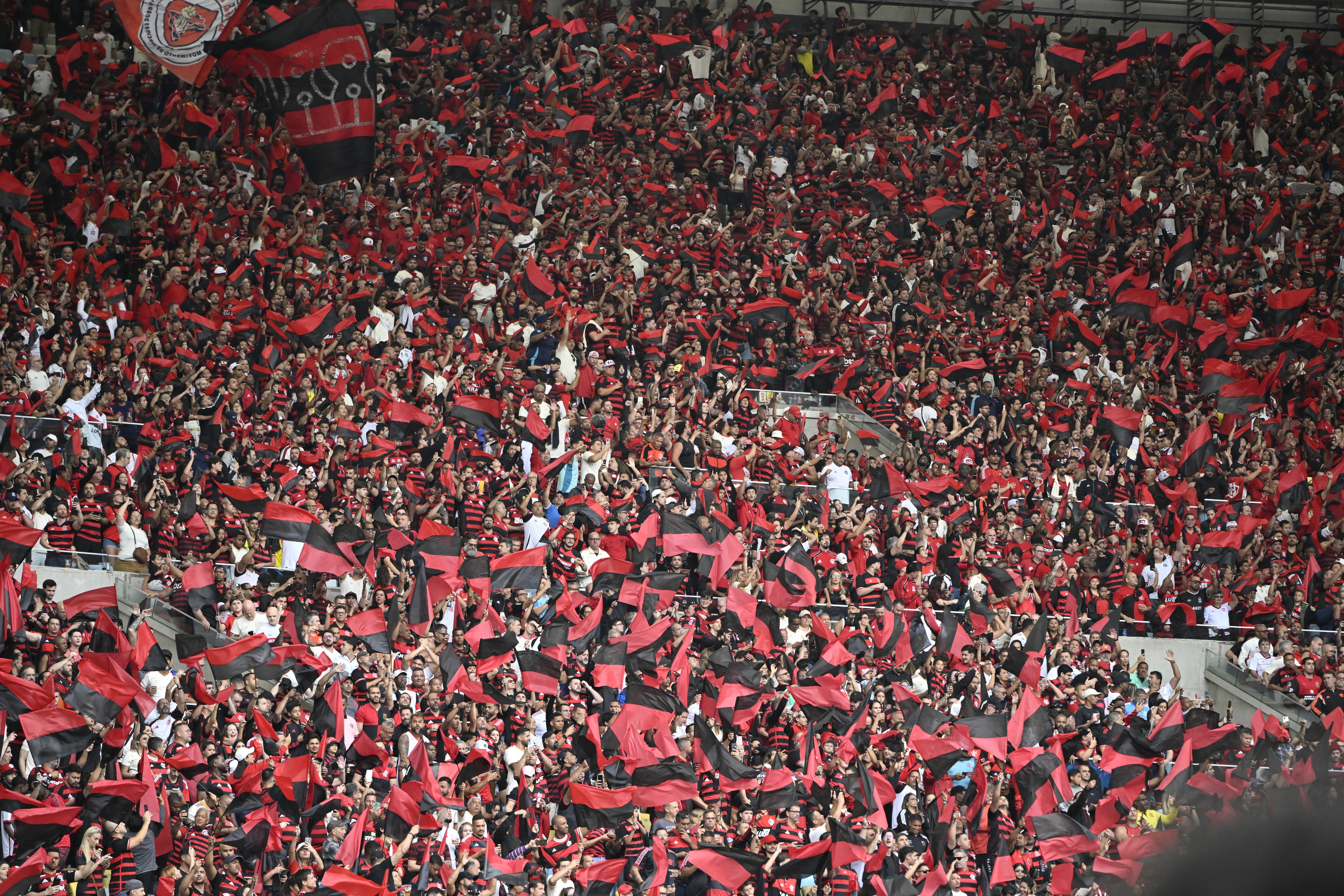
Combine that with 200+ million people domestically, enormous club fan bases (Flamengo reportedly >40m fans), a global diaspora that’s strong in the US and EU market, a packed calendar with league & several cup competitions, and the Brasileirão suddenly looks less like a domestic league…

…and more like a serious competitor in sports entertainment

And while this is already an evolution you’ll want to keep an eye out for, PACE’s Head of Strategy Karim Teufel will be following it for one more, unexpected reason:

Women’s football.

Brazil will host the 2027 FIFA Women’s World Cup.
And right now the domestic ecosystem is still underdeveloped compared to the US or some European countries. Which means the upside could be enormous.

Gemini

Brazil already built the structural foundation

In 2019, the Brazilian FA (CBF) introduced a rule that mandated clubs participating in the Copa Libertadores to operate a women’s team.

That decision changed the ecosystem almost overnight: Clubs were able to utilise the fan loyalty, brand strength and even existing infrastructure of men’s football departments as a starting block; allowing them to focus on quickly building their own fan culture, financial model & performance approach.

Today, most major Brazilian clubs run women’s programs, including the big clubs in Rio, Sao Paulo and Porto Alegre. The Brasileirão Feminino A1 now features 16 clubs and continues to grow.

“I was able to watch Corinthians live this year and saw how much of a benchmark they have become.” says Karim. “League titles, attendance figures above 20,000, and level of play that was able to seriously compete with Champions League Winners Arsenal WFC. It was great to see that the top drawer of Women’s Football isn’t exclusive to the northern hemisphere. It’s the world’s game after all.”

The fan gap is still massive

Brazil is arguably the most football-obsessed country in the world.

But the women’s game is still at an early adoption phase.
A few indicators:

  • Men's football TV audiences regularly reach a hundredfold of what Women’s league matches draw. 

  • Average league attendances are typically a few thousand spectators, similar to most European leagues. 

  • Broadcast deals also reflect this. Most Brasileirão Feminino matches are distributed via free-to-air television and streaming platforms, prioritising reach rather than revenue.

This strategy is intentional. The focus right now is audience development, not monetisation.
And that may be the right call ahead of 2027. 

“The big Brazilian clubs already have a massive following that stretches well beyond (men’s) football. This, combined with more disposable budget coming in on the men’s side, a 76% interest rate among young audiences and the search for the next Marta, could spiral Brazil’s women’s football into new spheres quickly.” explains Karim. 

“Still, it feels like the country still needs to find its key, its own shared entry point into ‘futebol feminino’ fandom, a USP that everyone agrees on, and therefore can be marketed heavily.
That could be new icons, an innovative way of broadcasting/hosting the matches, or simply a newfound appreciation for less physical and more skilful, creative women’s football that used to be Brazil’s DNA in the 90s and 2000s.”

Brazil already has something most women’s football markets are trying to build:
A deep cultural attachment to the game.
If even a small percentage of Brazil’s enormous club fan bases starts following the women’s teams the scale could change very quickly.

What do you think about Brazil’s next football cycle?  

The ingredients are there. The structural changes are in motion. The FIFA Women’s World Cup 2027™ provides a fixed deadline and a global spotlight. 

Now it's about execution - and if club football moves decisively enough to be part of it.

Most people outside South America haven’t really noticed yet, but there’s a giant on the rise again. Two shifts are happening at the same time in Brazil, and together they could reshape the football landscape in the Americas with massive impact on the European market as well.

One shift is economic. The other is structural.

A. Ricardo / Shutterstock

The Brasileirão has (not so) quietly become investable

For decades, Brazilian football operated under a structural constraint.

Most clubs were member-run associations with limited access to capital. Debt levels were high. Governance structures were complicated. 

In 2021, Brazil introduced the SAF model (Sociedade Anônima do Futebol) - allowing clubs to transform into corporate entities and open themselves to investors.

Since then, things have started to move. A number of clubs have welcomed major domestic & international investors (among others, the City Football Group, Red Bull & Eagle Football Holding), and sponsors are increasing their bids as well. 

The main result: An influx of new capital and increasingly ambitious squad building.

Brazil used to export talent at record levels.
Now we’re seeing prime-age players returning, like Lucas Paquetá moving back to Flamengo (for $51.4m).

But because Brazilian clubs suddenly have financial firepower, talent might not just reconsider leaving but players all over the Americas might actually see the Brasileirão as their number one career destination.

A. Ricardo / Shutterstock

There’s also a strategic advantage Brazil might hold.

Time zones.

Brazil sits in a broadcast window that bridges Europe and the Americas.
Combine that with 200+ million people domestically, enormous club fan bases (Flamengo reportedly >40m fans), a global diaspora that’s strong in the US and EU market, a packed calendar with league & several cup competitions, and the Brasileirão suddenly looks less like a domestic league…

…and more like a serious competitor in sports entertainment

And while this is already an evolution you’ll want to keep an eye out for, PACE’s Head of Strategy Karim Teufel will be following it for one more, unexpected reason:

Women’s football.

Brazil will host the 2027 FIFA Women’s World Cup.
And right now the domestic ecosystem is still underdeveloped compared to the US or some European countries. Which means the upside could be enormous.

Gemini

Brazil already built the structural foundation

In 2019, the Brazilian FA (CBF) introduced a rule that mandated clubs participating in the Copa Libertadores to operate a women’s team.

That decision changed the ecosystem almost overnight: Clubs were able to utilise the fan loyalty, brand strength and even existing infrastructure of men’s football departments as a starting block; allowing them to focus on quickly building their own fan culture, financial model & performance approach.

Today, most major Brazilian clubs run women’s programs, including the big clubs in Rio, Sao Paulo and Porto Alegre. The Brasileirão Feminino A1 now features 16 clubs and continues to grow.

“I was able to watch Corinthians live this year and saw how much of a benchmark they have become.” says Karim. “League titles, attendance figures above 20,000, and level of play that was able to seriously compete with Champions League Winners Arsenal WFC. It was great to see that the top drawer of Women’s Football isn’t exclusive to the northern hemisphere. It’s the world’s game after all.”

The fan gap is still massive

Brazil is arguably the most football-obsessed country in the world.

But the women’s game is still at an early adoption phase.
A few indicators:

  • Men's football TV audiences regularly reach a hundredfold of what Women’s league matches draw. 

  • Average league attendances are typically a few thousand spectators, similar to most European leagues. 

  • Broadcast deals also reflect this. Most Brasileirão Feminino matches are distributed via free-to-air television and streaming platforms, prioritising reach rather than revenue.

This strategy is intentional. The focus right now is audience development, not monetisation.
And that may be the right call ahead of 2027. 

“The big Brazilian clubs already have a massive following that stretches well beyond (men’s) football. This, combined with more disposable budget coming in on the men’s side, a 76% interest rate among young audiences and the search for the next Marta, could spiral Brazil’s women’s football into new spheres quickly.” explains Karim. 

“Still, it feels like the country still needs to find its key, its own shared entry point into ‘futebol feminino’ fandom, a USP that everyone agrees on, and therefore can be marketed heavily.
That could be new icons, an innovative way of broadcasting/hosting the matches, or simply a newfound appreciation for less physical and more skilful, creative women’s football that used to be Brazil’s DNA in the 90s and 2000s.”

Brazil already has something most women’s football markets are trying to build:
A deep cultural attachment to the game.
If even a small percentage of Brazil’s enormous club fan bases starts following the women’s teams the scale could change very quickly.

What do you think about Brazil’s next football cycle?  

The ingredients are there. The structural changes are in motion. The FIFA Women’s World Cup 2027™ provides a fixed deadline and a global spotlight. 

Now it's about execution - and if club football moves decisively enough to be part of it.